

Storm Water Renewal in Melbourne’s Western Suburbs
Storm Water Renewal in Melbourne’s Western Suburbs
In Melbourne’s western suburbs, stormwater problems often build up quietly. A drain might still be taking some water, but not enough. Then heavy rain hits, water starts pooling around the house, gardens turn soggy, and suddenly what looked like a small issue becomes a much bigger one. That is why storm water renewal in Melbourne’s western suburbs is something many property owners end up dealing with sooner rather than later.
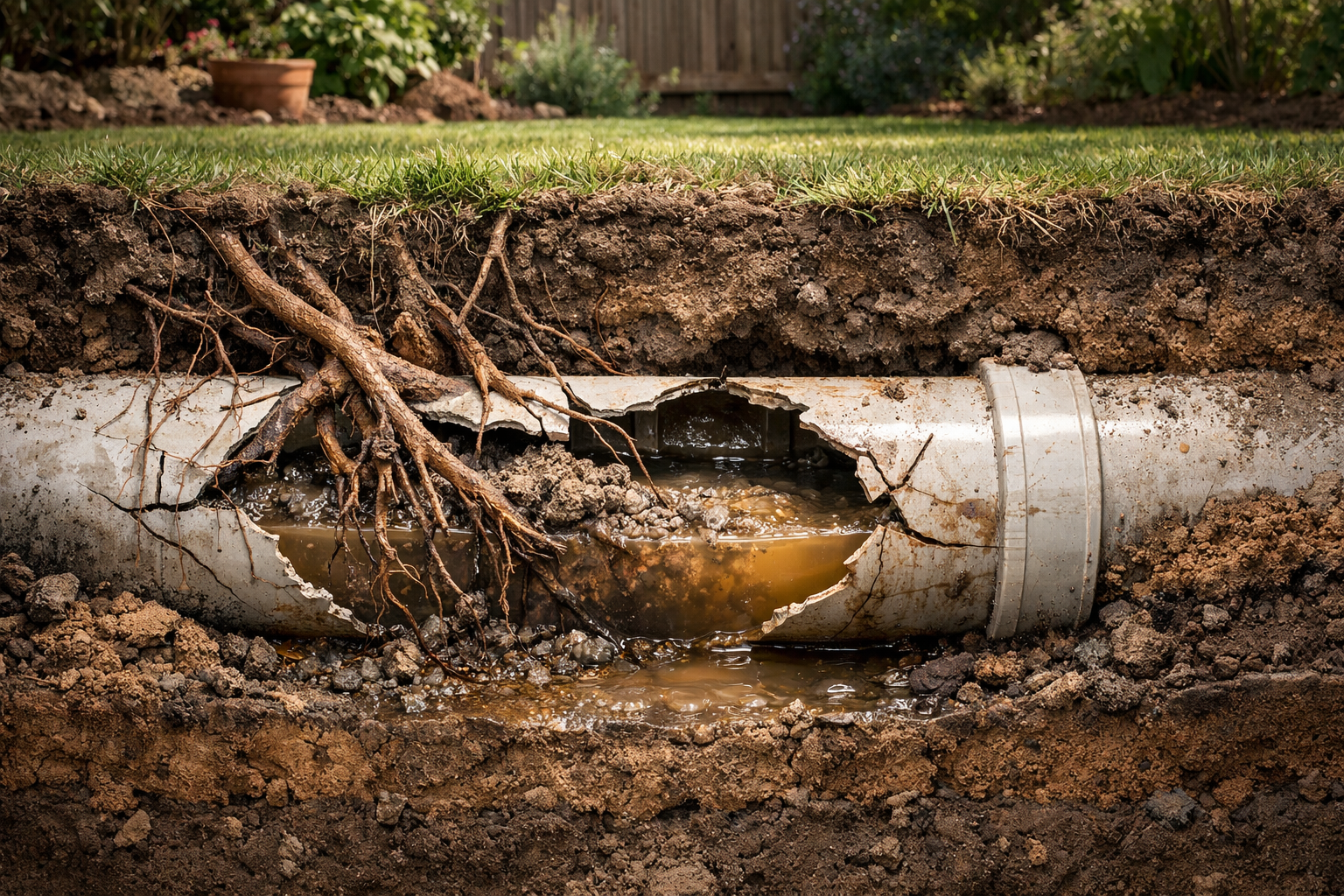
Older homes in areas like Melton, St Albans, Sunbury, Deer Park, Caroline Springs and surrounding suburbs often have ageing stormwater systems. Over time, pipes can crack, sag, separate at the joints, or become blocked with silt, roots, and debris. Once that happens, the system stops doing the one job it is meant to do, carry rainwater away from the property properly.
What storm water renewal actually means
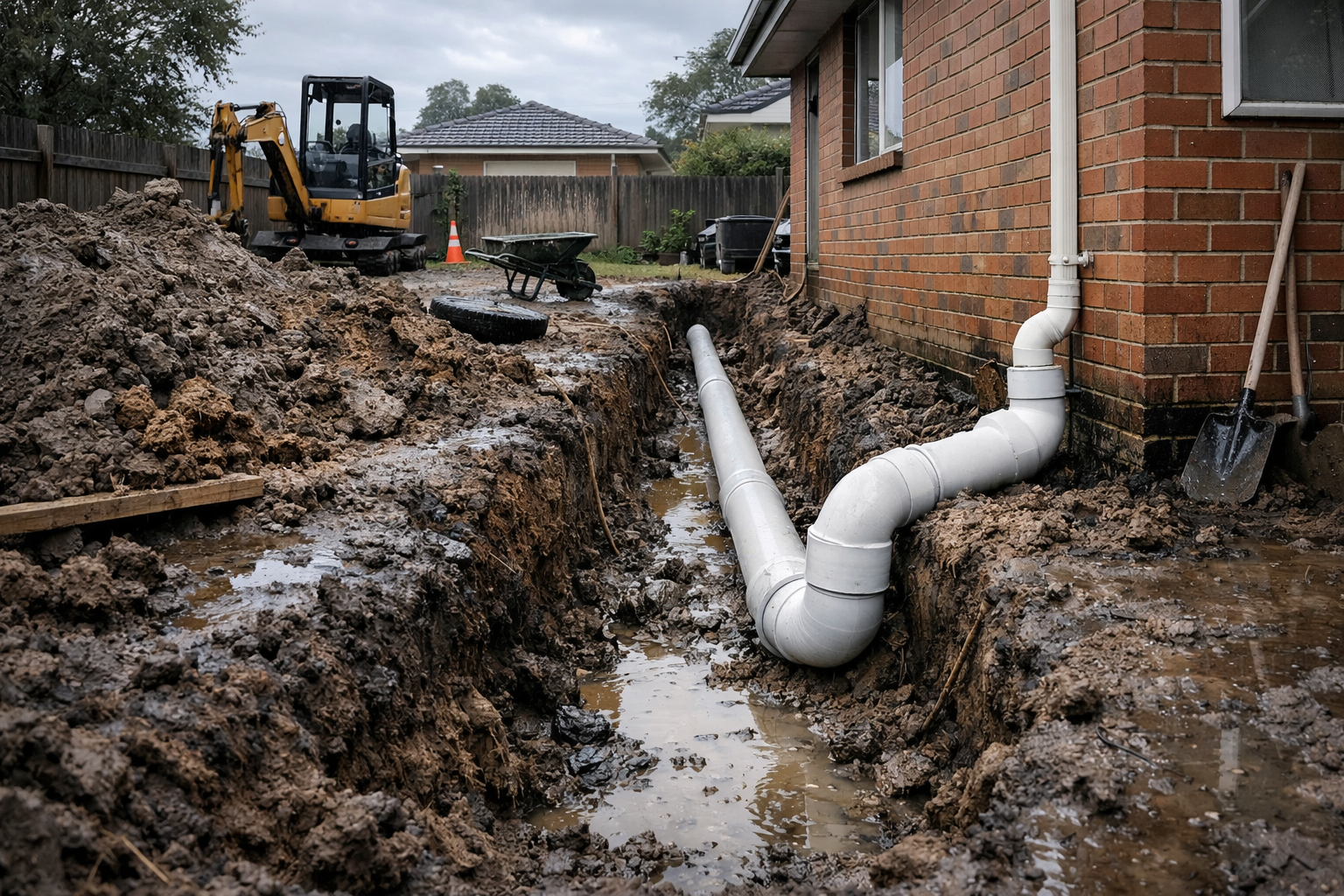
Storm water renewal is more than just clearing a blockage. It usually means replacing damaged sections of stormwater pipework, upgrading old drains, correcting poor fall, and restoring the system so water can move away efficiently during rain events.
In some homes, that might mean renewing a short run of broken pipe near a downpipe connection. In other properties, it can involve excavating and replacing a larger section of underground drainage across the yard, driveway, or side path. The goal is not just to get water moving today, but to make sure the drainage system works properly into the future.
This matters because stormwater on private property is generally the owner’s responsibility up to the legal point of discharge in Victoria, while the council is typically responsible from that point onward.
Storm Water Renewal in Melbourne’s Western Suburbs
Signs your stormwater system may need renewal
A lot of drainage issues give warnings before total failure. The problem is that many people ignore them until the next storm.
Common signs include:
Water pooling near downpipes or around the house
Soggy patches in the yard that do not dry out properly
Overflowing pits during rain
Damp ground near buried drainage lines
Recurring blockages after clearing
Cracked pipes found during camera inspection
Surface subsidence or sunken areas above the drain line
If the same stormwater line keeps blocking or backing up, patch repairs may stop being cost-effective. At that point, renewal is often the smarter long-term option.
Why Melbourne’s western suburbs see these issues
The western suburbs have a mix of older established homes, newer estates, reactive clay soils, and plenty of areas where drainage was installed years ago under different site conditions. That combination can be rough on underground pipework.
Clay movement can place pressure on drains. Tree roots can find their way into joints. Older materials may simply reach the end of their service life. In some properties, the original stormwater layout may never have been ideal to begin with, especially where levels are tight or later landscaping changes have affected drainage.
Melbourne Water also notes that drainage requirements matter for development, flooding, and stormwater impacts on surrounding properties and waterways.
Blocked and damaged stormwater pipe underground
When a repair is enough, and when renewal makes more sense
Not every stormwater issue needs a full replacement. If there is a localised blockage or one damaged fitting, a repair may be enough. But renewal usually makes more sense when:
multiple sections are cracked or collapsed
the pipe has poor fall or continual backfall issues
roots keep returning through old joints
the system is undersized or badly laid
excavation is already required, making replacement more practical than patching
This is where a proper inspection matters. A CCTV drain camera can show whether the issue is isolated or part of a bigger pattern. That helps avoid wasting money on repeated short-term fixes.
What the renewal process usually involves
A typical stormwater renewal job starts with diagnosing the problem properly. That may include testing, locating pipe runs, and using a CCTV inspection where needed. Once the issue is confirmed, the damaged line can be excavated and replaced.
Depending on the property, the work may involve:
locating underground services
excavating failed stormwater sections
removing old pipework
supplying and installing new PVC stormwater drains
correcting pipe grade and connections
bedding and backfilling to suit standards
reinstating surface areas where required
The Victorian Building Authority also publishes guidance on stormwater drainage compliance and bedding requirements for below-ground site stormwater drains.
Why acting early can save money
Stormwater issues rarely fix themselves. What starts as slow drainage can turn into erosion, flooding, water ingress, or damage to paving and footings. In some cases, people spend money clearing the same line over and over when the real problem is a broken or badly laid pipe underground.
Renewing the drain early can often be cheaper than dealing with repeated callouts, property damage, or larger excavation later. It also gives peace of mind going into winter, when heavy rain quickly exposes weak drainage systems.
The bigger reason stormwater renewal matters
A good stormwater system is one of those things you do not think about until it fails. But when it fails, you notice it fast. Water ends up where it should not be, around the house, under paths, near footings, or backing up through pits.
Storm water renewal in Melbourne’s western suburbs is really about protecting the property, reducing future maintenance, and making sure the drainage system can handle real weather, not just light rain on a good day.
The best time to deal with a failing stormwater drain is usually before the next major downpour, not during it.